WHY THEY LEFT
A law of tolerance was revoked
The Edict of Nantes of 1598 gave French Protestants a degree of religious freedom. In 1685 Louis XIV revoked it, and leaving France was forbidden, yet many left anyway.
See how many realcalvinism
A HISTORY OF THE HUGUENOTS IN BRITAIN
In the 1680s tens of thousands of French Protestants left home for England.
See the numbers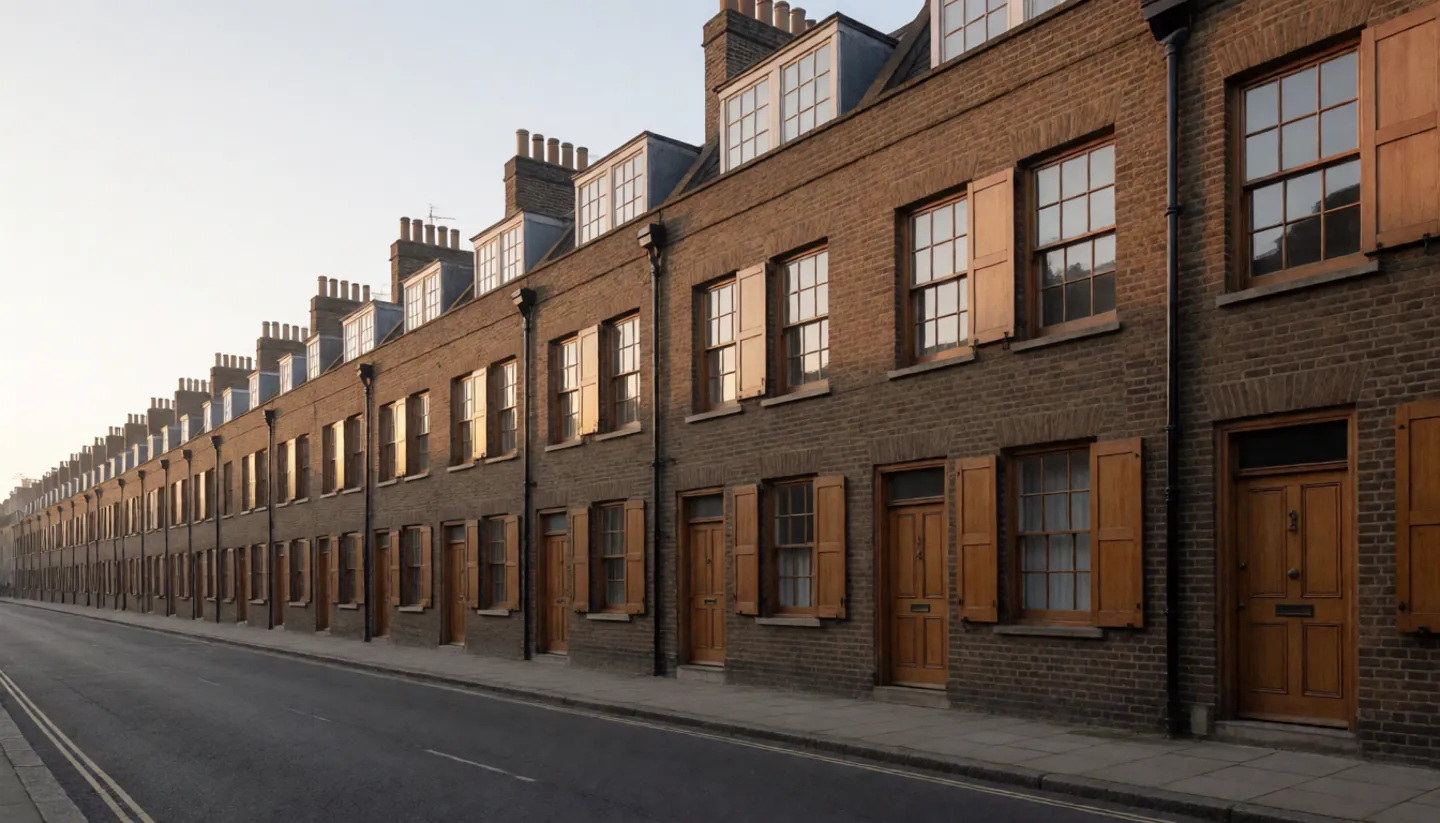
1685the year it peaked
They were called Huguenots. They came with little more than their trades, settled in places like Spitalfields and Soho, and gave English the word refugee. This is an independent history guide, drawn from museum and historical sources.
Updated
THE SHORT ANSWER
French Protestants, mostly city craftspeople.
They left after their legal protection was taken away.
WHY THEY LEFT
The Edict of Nantes of 1598 gave French Protestants a degree of religious freedom. In 1685 Louis XIV revoked it, and leaving France was forbidden, yet many left anyway.
See how manyWHAT THEY MADE
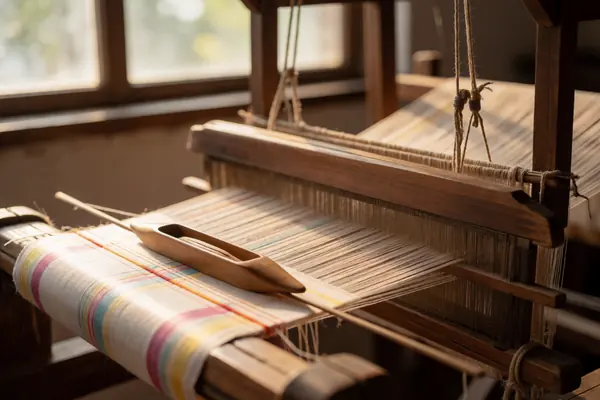
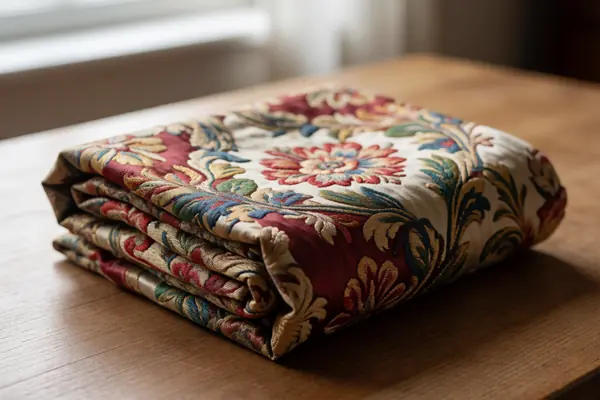
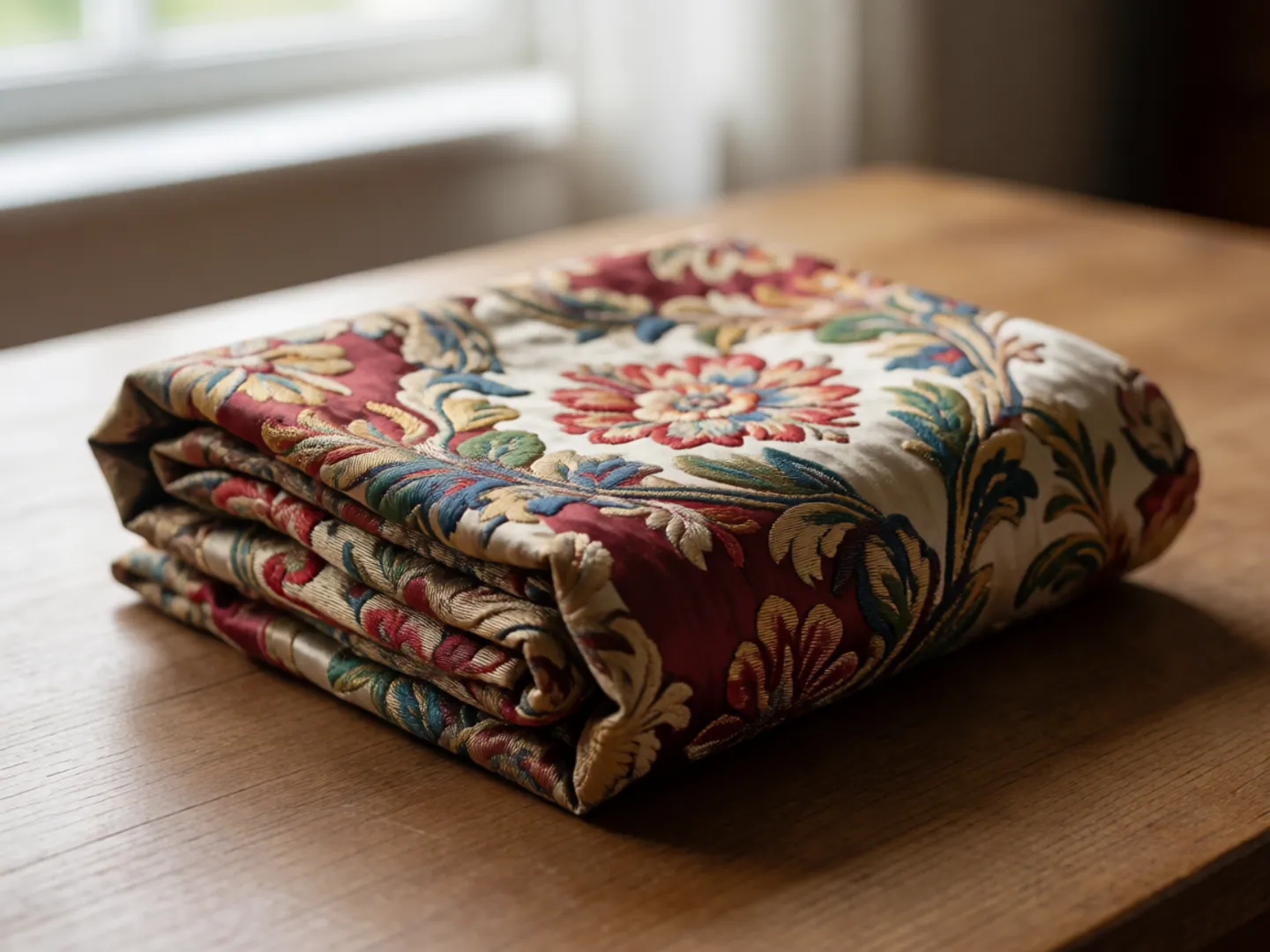
Skilled weavers from Lyons and Tours set up looms in Spitalfields, making velvets, brocades, satins and lustrings that were previously bought from France.
The silk storyWHAT THEY LEFT
Museum and society historians credit the Huguenots with bringing refugee into English, from the French réfugier, meaning to seek shelter or protect.
Traces to spotA QUICK NUMBERS CHECK
Pick a figure to see what historians estimate. The bar shows its rough scale compared with the others.
Estimates, not exact counts. Different sources give slightly different ranges, and we show them as they are written.
TWO NUMBERS WORTH KNOWING
London held around 600,000 people in 1700.
The newcomers made a visible share of it.
≈ 5%
Share of London's population by 1700
Around 40,000 Huguenots came to England between 1660 and 1714, a population change the museum calls unlike anything seen here before. Roughly half settled in the London area.
LONDON MUSEUM
≈ £200,000
Raised for the refugees' relief
Collections across England, Scotland and Ireland, including one ordered in April 1687, raised about £200,000, known as the Royal Bounty. A French committee shared out £16,000 a year to poor refugees.
VICTORIA COUNTY HISTORY · 1911
Figures are historians' estimates and contemporary records as quoted by the sources listed below.
FOUR TRACES TO LOOK FOR
You can still find the Huguenot story in London without a guidebook. Look up, read the street signs and notice the surnames.
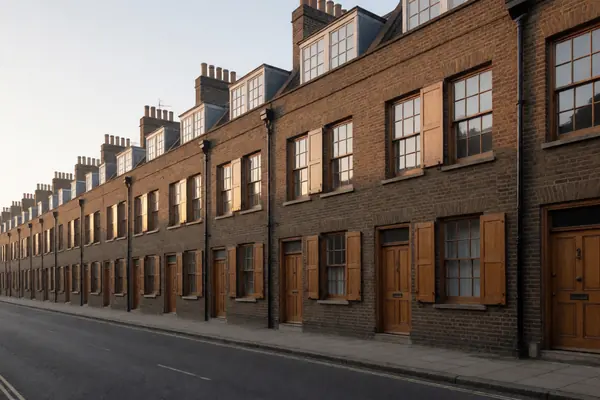
Fournier Street's townhouses, once home to weavers, have huge attic windows that let in as much light as possible for work at the loom.
Spitalfields has Fournier Street, Fleur de Lis Street, Navarre Street, Rochelle Street and Weaver Street, all named for the Huguenot past.
The Brick Lane Mosque on the corner of Fournier Street was built as a Huguenot church in the 1740s, and later served as a Methodist mission and a synagogue.
Some French names were kept, such as Bosanquet or Courtauld; others were translated, like Boulanger to Baker, Blanc to White or De la Croix to Cross.
SILK, SOHO AND BEYOND
Spitalfields drew the silk weavers. They made lustrings, velvets, brocades and watered silks; a refugee workman is said to have brought the Lyons secret of giving taffeta its lustre, and in 1692 a Royal Lustring Company was chartered. Most weavers stayed poor, and many kept canaries and songbirds in their spare time.
Soho drew a more middle-class community of watchmakers, silversmiths, gunmakers, bookbinders and printers. Not everyone welcomed them: a 1685 petition from English textile workers complained of having very little work. By about 1760, the Huguenot Society notes, they had ceased to stand out as foreign.

Questions
Huguenots was the name used, from the 16th century, for French Protestants. The origin of the word itself is obscure, according to the Huguenot Society.
In 1685 Louis XIV revoked the Edict of Nantes, the 1598 law that had given French Protestants religious and civil rights. Pastors were exiled and ordinary Protestants were forbidden to leave, but many did, at great risk.
The London Museum estimates 40,000 to 50,000 arrived in England between 1660 and 1714; the Huguenot Society says about 50,000, with perhaps 10,000 moving on to Ireland.
The London Museum, Hackney Museum and the Huguenot Society all link the English word refugee to the Huguenots. Hackney Museum traces it to the French réfugier, to seek shelter or protect.
No. This is an independent history guide. It describes past events using museum and historical sources and does not teach or promote any religious belief.
ABOUT THIS NAME
realcalvinism.com is part of the DoodleSale portfolio. It isn't in an auction right now, but you can ask about leasing it.